Episode Transcript
[00:00:00] Speaker A: It is really interesting that I feel like I can go through life and I'm finally able to trust God with my deepest pain. But the real healing doesn't come because God knows, because God already knows. Now, this is great, this relationship that I have and understanding and trusting this relationship that I have with the Father because it's Christ in me and the Holy Spirit teaching and guiding me. But until I actually am able to connect with other people and share my deepest stuff with them. That's right. That's when I'm able to also receive love as me, as all my flaws, all my mistakes, all the things that I believed were true of me. And I'm able to now have people in my life tell me and remind me who I am, remind me that those things aren't true. And that's real love. Like, that's the cure.
This is kind of the follow up for a younger generation, the path of just recognizing that you can actually be loved when you take off that mask. Before, all that was getting love was the mask. And now I'm able to take off the mask and receive love.
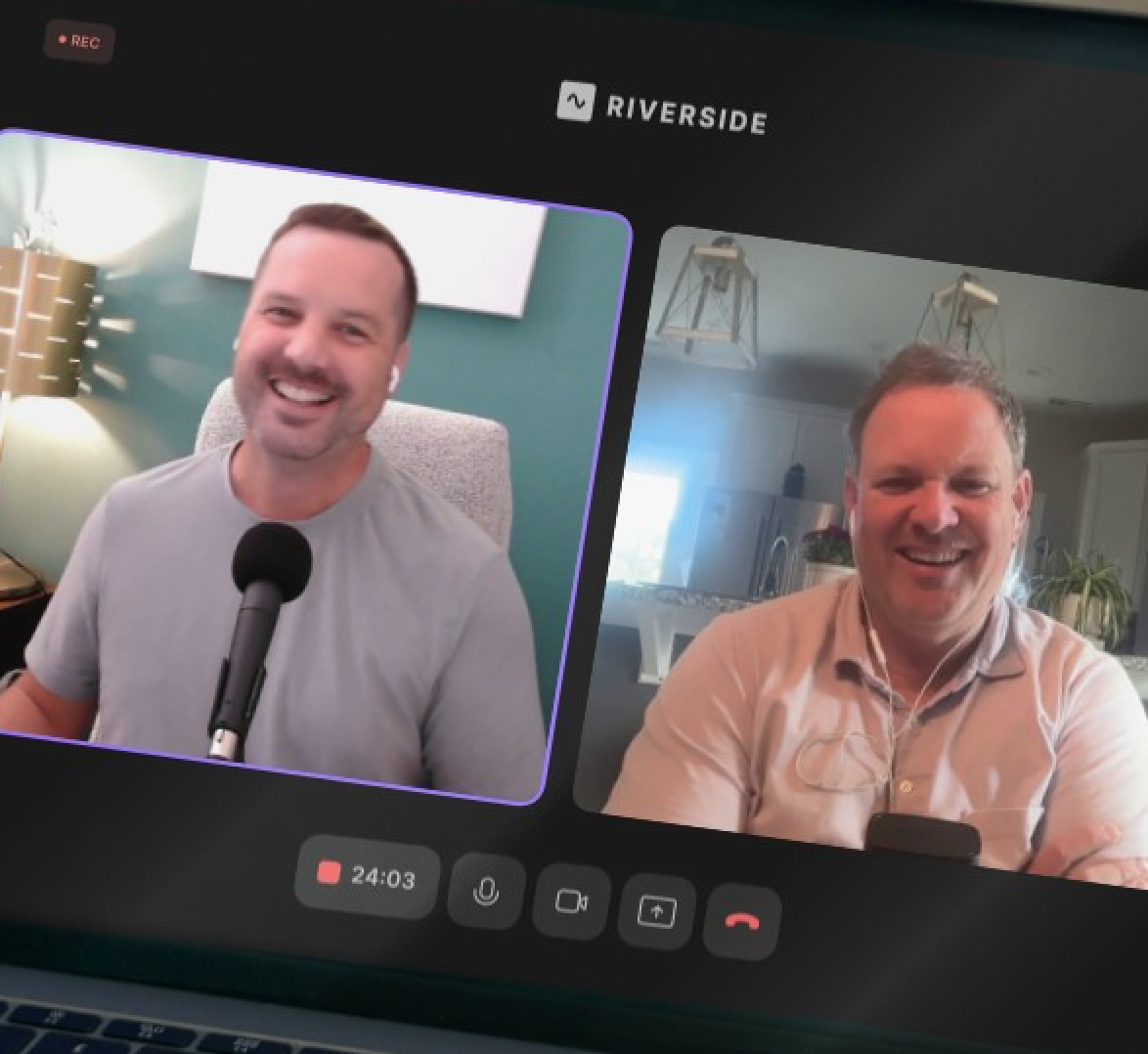
Hello and welcome to let's Talk Life. Cousins Carl and Zach here, and we love to talk life in Christ. And we are this week getting ready for another of our ministry leader retreats coming up next week. So we'll be in person and probably won't have a podcast next week, depending on how things go. But with that in mind, this is really what brought me to this topic. Wanting to talk about vulnerability, trust, wounds, healing, all scary topics. But I, I titled this one Deepest Wound, Deepest Healing. So that's kind of where we're at. And it comes to. I don't know. With a couple of questions. We're pulling some content out of one of our favorite books. Well, I don't know. You only went through it once, Carl. I don't know if it's considered your favorite yet, but it's.
[00:01:55] Speaker B: It's a valuable. It's a valuable tool. It's a valuable tool.
[00:01:59] Speaker A: Yeah, it's called, it's called the Path from Two Face. I've journeyed through that book now three times because I went through it with my daughter and then I went through it with my son.
[00:02:09] Speaker B: Wow, that's so cool.
[00:02:10] Speaker A: And then our first time through it was with our group, so. So just. It's been very valuable to me. And so I'm pulling from that simply because, and primarily because next week really marks a one year anniversary, so to speak. I don't really think of things always like that. But Right, right. One year, next week is when God really opened my eyes to my deepest wounds and began the deepest healing. So I just thought this.
[00:02:35] Speaker B: Yeah, this.
[00:02:36] Speaker A: This applies. So.
[00:02:37] Speaker B: No, and that's good. And so.
[00:02:39] Speaker A: So if you're the listener there and
[00:02:40] Speaker B: you're like, ah, I need a new. I need new content every week. You can go back. What number is this, Zach?
[00:02:47] Speaker A: Our. Our episode. Yeah, Today is episode 90 for this week.
[00:02:52] Speaker B: All right, so we got. So we got 89 others that. That they can go back and. And pick out their favorite one.
[00:02:59] Speaker A: Right?
[00:03:00] Speaker B: Absolutely.
And. And also, you know, coming off your weekend of vulnerability and wounds, and I don't know if you want to share anything about that. And.
[00:03:11] Speaker A: Yeah, no, I mean, for sure. I was up at a place called Sanctuary Clinics. I got a little bit more history about the place. I didn't realize that it's only, like, four years old.
[00:03:21] Speaker B: Oh, wow.
[00:03:22] Speaker A: That was pretty fascinating to me. I thought because of just how it's. How it's run and established, I just felt like it was older. So I'm just really happy. I got a call the week before, last minute. Hey, somebody backed out. They have something they call a weekend encounter where they have speakers come in for Friday, Saturday, and they usually preach on Sunday, too. And so the Sanctuary Clinic is a Christian mental health place where people can check themselves in for a minimum of 30 days. They can stay for. I don't. As long as they want, I guess. I mean, the people pay for it, so. But just a beautiful setting. And this is what I was sharing with the people there, like, I was sharing with the people that work there. Like, I love just the location, the feeling, the relational aspect of the staff, and everything here is just different. And they said that has been the goal from day one. A lot of people go into institutions, and it just feels like a prison. And it's not relational. It doesn't feel like love. It doesn't feel comfortable. It feels invasive. And so one of the. One of the ladies, she said that that just got there was just like, I feel so amazed she got to her room. They all get, like, their own room and their own space. Sometimes it's like a shared room with a roommate, but they have their own space. And she was just so amazed that there was a lock on her door, that she could go into her room and lock the door. And because she's coming out of an institution where it was just like a doctor's office where a hospital really, where they're just going to barge in whenever they want, flip on the lights and just, you know, there's no personal space. And so it was just so different. And so to be able to go up there and to teach Friday morning, Friday night, and then four sessions on Saturday.
And I didn't stay for Sunday because they already had somebody there for that. But so, so amazing to journey with people that just. I think this is part of why we're talking about this, too, next week, but also what happened with me this last weekend. There's a lot of people with some really deep, deep wounds, and they're really looking for healing, and they've looked in a lot of places and it's not working. And you hear from a lot of people that have tried all these different places and they found themselves at Sanctuary Clinic, and they, they actually feel at least like it's an environment where they can actually open up and talk, at least. And so it's really beautiful. But healing doesn't just come because you check yourself in for 30 days either.
[00:05:35] Speaker B: It's so long. No, and, and, and even, even saying, man, you know, when you, when you talked about that first phrase, the institution, I was thinking of a lot of Sunday mornings around the US and, and just also, you don't get healing just from going to a church, you know, and, and so it's just. Yeah, I love, I love how God, it's, you know, we're right on time. And so, listener, if you're saying, man, I have some wounds, you know, I, I have some things that, that I haven't really surrendered to God, that you're right on time. You're right on time right now, you know, and even as we talked about this, it could, you know, just, just growing up in the church, both of us have a background of, you know, church background. Those that don't, don't have that background. There are some similarities, you know, and the brokenness inside the church is usually masked. You know, it's usually you put a mask on and you just pretend or you just ignore it or you just say, well, just. I just. That's my burden to bear, my cross to bear. And I'm not going to. I'm not going to deal with this kind of a phrase, and then it resurfaces. It will always resurface, you know, and so that's, that's kind of why I wanted to add it before we even get into this, that we all. We've all been wounded and we've all wounded others. Right. You know, both are true.
[00:06:53] Speaker A: Both are true. Yeah. No, and that's. That's really beautiful. Thanks for, for even mentioning that and going there, because one of the first. It's kind of a question, but I want to gear the question towards the answer, really. But the question that I put in our notes was, what comes to mind for people first? If vulnerability and trust comes up, like, if we're talking about, let's be vulnerable, let's trust other people, I'm out of here. Yeah, the first thing that comes to my mind is, well, that freaks me out. Yeah, I'm gonna shut down. I'm going to be silent, I'm going to mask up. I don't want to talk about my wound. And so the real question is, why? Why do we feel that way? And I think what you were just saying is exactly it. We have not felt that we had the freedom in the spaces that we were in to be able to really talk freely about our true feelings, about how things that happen to us that we don't know how to process or even. Sometimes you don't even know. That's really where I was at in the woods there up in northern Michigan last October was like, God, I don't. I don't get it. There's something that's still blocking me here. So, God, would you open my eyes to the, to the deep wounds, to the deep shame, to the, you know, to the depths of it. And man, it's. It's quite, quite fascinating to really think about the journey, because I. I wasn't ready two years ago to ask those questions of God, but I was ready at that time. So, like, I love the words that you, you shared already, too, that you're right on time, you know, and that's the reality. That's what I tried to convey to people, too. Like, you might not find all the deepest and every healing here while you're checked into this sanctuary clinic and going through the programming here. But it's a stepping stone into greater healing. It's a. It's maybe a first step. And that's, that's one thing that I really start with all the time when I. I've been there. I was there last year as well. And I just step in and I go, I'm really proud of all of you because you've taken the first step that a lot of Christians won't take. They won't take off that mask and say, I have a problem and I want someone else to help me and to walk me through. So that's. That's the first step for them to really experience healing. So it could Be for me, it was like two years later. Right. So for them, it could be two years later. Not necessarily while they're there, but it's the first step into really experiencing that. That true life.
[00:09:11] Speaker B: Wow. Yeah.
[00:09:12] Speaker A: So some beautiful stuff. I love. So we're in the path we're in. I think it's chapter five.
It's called the Wound. And I love the questions out of this book for each chapter, like to dialogue and just to chew on, to think about. And the question here is, what if your deepest wound is where God longs to bring your deepest healing and.
[00:09:34] Speaker B: Right.
You know, that's. That's such a powerful question. Yeah.
[00:09:38] Speaker A: Yeah, it is. Well, because the thing, the very thing that we want to bury is the very thing that could actually bring us the greatest healing.
[00:09:46] Speaker B: Yeah.
[00:09:47] Speaker A: So why do we want to cover it up?
[00:09:48] Speaker B: And especially, you know, pastors or ministry leaders, our first go to is, well, how can I use this to help someone else instead of sitting in this and receiving grace in. In this mercy? That. That really is the healing. I mean, the healing work of Jesus is. Is grace in the wounds. I mean, if you want to simplify it, it is grace, receiving grace. But I don't want to. It hurts too much. So I'd rather just say, okay, here's how I can help someone else with. With this. And said, no, no, no, just sit in it. Just sit in it. God, I need. I need your grace here for me. I need your grace. It could be forgiveness, right. It could be bitterness, could be resentment, could be all these things. Something someone's done to us. Something's something. Something that we have done.
[00:10:37] Speaker A: Yeah. So good.
That's. That's incredible wisdom. And it's so true right there, Carl, that, yeah, we can get stuck in the. In the ministry mindset of everything that we're doing is for other people.
[00:10:49] Speaker B: Yeah.
[00:10:50] Speaker A: And. And ultimately, that's what life is about. Yeah. We're able to love other people, but if we're not learning to first live loved ourselves, and we're not. We're not learning to receive the love of the Father ourself, we're really not able to dish out any love.
It's perceived as love. We would call it love. We think that it's love. It's good intentions, but I don't know that it's actually love. So it's just really interesting to chew on. And I think this is where a lot of us get stuck. There's really kind of two sections to the whole thing. I kind of just simplify it. To the two words shame and then love. On one side of it is shame, on the other side of it is love. And so I don't know if there's something that you want to dig into.
[00:11:33] Speaker B: Yeah. Before we. Yeah, before we get there. Before we get there, just talk about those wounds real quick.
[00:11:38] Speaker A: Right.
[00:11:38] Speaker B: I think I love how they put this here. They say, can you identify your deepest wounds? Most of us cannot do so on our own. We need others to help us. Others we have spent so long avoiding, denying, or numbing our wounds that the road has become tangled and obscured. And so here's what we've all suffered, right? Rejection, abandonment, humiliation, betrayal, injustice, setbacks, failure and disappointment, Frustration, regret, sorrow and losses. Being bullied, left out, unseen, unheard of. There are hundreds of options that they could have included, but this is what they said. Our broken world continues to break our hearts.
[00:12:20] Speaker A: Right.
[00:12:22] Speaker B: So there's two things we do. We. We. We. We live in the shame, which is probably most of us. Yeah. Yeah. Or. Or to receive love.
[00:12:31] Speaker A: Right. Because he loves us. Yeah.
[00:12:33] Speaker B: Yeah. So I wanted to set us up there, Zach, and.
[00:12:36] Speaker A: No, that's so good.
[00:12:37] Speaker B: Where do you want to take us?
[00:12:39] Speaker A: Yeah, I. I don't know, But. But I always love just how. How we can just glean off of each other. I just. I love how the spirit works in our conversation.
Because that's so good. All of those words that you just said, man, that's a lot. That's. That's where it leaves us, in the shame. And I. I like. So this is one of the things I really love about the Path is they use the song.
They call it the Wind Song, like the. The Holy Spirit, but. But also, like, shame is a song of the enemy.
[00:13:06] Speaker B: Yes.
[00:13:07] Speaker A: And so which song are you really listening to? Which. Which song resonates? Which song? This is the way that I perceive it. Which song is stuck in your head? I almost wanted to look up. Why do songs get stuck in our head? You know, because that happens every once in a while. And which song. Is it the song of the enemy or is it God's song of. Of love and acceptance and amazing, unbelievable grace of God? Is that the song that's ringing in your head? So, yeah, I mean, I love. I love how they just talking about the shame, first of all, you know, something we did or something that was done to us can create this feeling of guilt. But then unchecked, you know, it can build up and turn into shame to where we think that there's something wrong with me. So I'm doing This, because there's something wrong with me, or somebody did this to me, so there must be something wrong with me. And so that's where we can live. And I love how they really play this out. Something deeper, they say something deeper than the wound itself is at work. There's a superficial wound. There's a deeper, more chronic wound that's really being touched.
And so the very thing that happened isn't necessarily the deepest wound. It's just bringing the deeper wound out.
[00:14:18] Speaker B: Yeah.
[00:14:19] Speaker A: And so I really. I really love that, because our reaction often to somebody wounding us.
[00:14:24] Speaker B: Yes.
[00:14:24] Speaker A: Can be so much greater.
[00:14:26] Speaker B: Yes.
[00:14:27] Speaker A: Than what they actually did to us.
[00:14:29] Speaker B: Yes.
[00:14:29] Speaker A: So.
[00:14:30] Speaker B: And, And. And we've. We've been conditioned to use two phrases. It is what it is. Or. Or. Well, time heals all wounds.
And. And both. Both actually aren't true.
[00:14:42] Speaker A: Right.
[00:14:42] Speaker B: So. Right. And so time doesn't heal all wounds. I do believe God heals in time, but it. Time itself just doesn't heal because. Because time itself can actually lead to greater shame and greater bitterness where I.
And I'm isolated from everyone in the world. And that happens all the time. We see people who have gotten older and they've been wounded, and they're just bitter. They're just bitter old people. It's like, hey, follow Jesus and be miserable like me. Follow Jesus and be bitter like me.
[00:15:14] Speaker A: Right.
[00:15:15] Speaker B: And it's like, no, that's actually. That's actually not Jesus. It's not the heart of Jesus.
[00:15:19] Speaker A: Right.
[00:15:19] Speaker B: You know, and so I would say. I would say this, that even in my own life, the wounds that I received have been difficult, but the message that those wounds gave me are what kept me in bondage. The message. Right. So it's the shame or it's the lies that I carried with me about God, about myself, and about what life is. And so. You're absolutely right. It's. It's. Wounds are bad. They're hard. But what was the message that I took from the wound?
[00:15:50] Speaker A: Right. Right. Yeah. Well, we.
[00:15:53] Speaker B: We.
[00:15:53] Speaker A: We're a culture, especially with men, but culturally speaking, we just. We stuff things. It is. It's like, just get over it. It is what it is. That statement.
[00:16:02] Speaker B: Right, sure.
[00:16:03] Speaker A: You know, time will heal this if I just wait it out, you know, it's like, no, those things are not true. Time doesn't heal wounds. I think that's in this chapter. Right? Time doesn't heal wounds. Jesus does.
And how. How is it that Jesus heals the wounds? Well, it's like, it's. It's. It's it's like I was in the. In the woods a year ago in next week. You know, Father, there's something that I'm missing. There's something I'm not seeing. Would you open my eyes to my deepest wound? Why? So that I can actually start to receive healing.
[00:16:30] Speaker B: Yeah.
[00:16:31] Speaker A: So that I can start to overcome.
And it's so, so amazing because he's. He's loving and gracious enough, first of all, to wait until I'm ready. And then secondly, to. To open up the door to that while also being like, I'm. I'm here with you in that. Like, I'm not just gonna. Yeah. Let you reveal it, and now you got to deal with it on your own. But it's just so beautiful. I mean, I look back to the progression in my life. Like, God is the one that slowly opened my eyes to this stirring in me that caused me to resign. Then God placed. I don't know, he put me in a place of spiritual vulnerability. I think after I resigned of, like, what am I doing or what did I do? To where I was finally willing and able to hear. And that was a door that opened me to further training and further connections to ministries and ministers that just opened my eyes to more wisdom and understanding of who I am, who God is.
And. And then God really kind of just pushed me out of the nest, so to speak. And that's when we moved to Florida. And so just experiencing all along the way more healing, more freedom, more victory in my life than ever before, than anything that I ever experienced, all growing up in the church or serving in the church. And so it's just really beautiful that God brought revelation to my deepest wounds and. And my deepest shame on that crisp October morning in Northern Michigan, you know, a year ago next week. But I walked through the woods. First of all, I was ready to ask, but I was also ready to receive. It was like both of those things were true. And so the progression of how God was working in my life was just so amazing to get me to that place of where I was willing to ask. And I was also able to hear and not be so overcome by it. But God was bringing revelation and more of himself and understanding. And so it's just beautiful. I know it's just kind of a. Kind of a side note there. But.
[00:18:21] Speaker B: It's so good when God intersects, right? When. When God in his love pursues us.
[00:18:28] Speaker A: Yeah.
[00:18:29] Speaker B: You know, the. The Right. The verse from Zephaniah3.
[00:18:32] Speaker A: Yes.
[00:18:33] Speaker B: For that you. That you. That you loved, you brought it to my attention. For the Lord your God is living among you. He is a mighty savior. He will take delight in you with gladness.
With his love. He will calm all your fears. He will rejoice over you with joyful songs.
[00:18:52] Speaker A: Yeah. That's so beautiful.
[00:18:54] Speaker B: So is it true?
Will I believe it? Will I. Will I remember who God is and remember who I am and remember what you were made for. Those are sort of the three points. I would say even the first two are the most important. But. Yeah, the third is sort of like, hey, this is next, you know?
[00:19:12] Speaker A: Yeah.
[00:19:12] Speaker B: Remember who God is.
Remember who you are and remember what you were made for.
[00:19:18] Speaker A: Right. Yeah. Well, I think. I think that. That who you're made for, one where it goes into is what you're made for is to have other people in your life.
[00:19:26] Speaker B: Yeah.
[00:19:27] Speaker A: Because it is really interesting that I feel like. I feel like I can go through life and I can. Oh, I'm giving. I'm finally able to trust God with my deepest pain.
[00:19:35] Speaker B: Yeah.
[00:19:36] Speaker A: But the real healing doesn't come because God knows. Because God already knows. Now this is great. This relationship that I have and understanding and trusting. This relationship that I have with the Father because it's Christ in me and the Holy Spirit teaching and guiding me. But until I actually am able to connect with other people and share my deepest stuff with them.
[00:19:55] Speaker B: That's right.
[00:19:55] Speaker A: That's when I. I'm able to also receive love as me. As if all my flaws, all my mistakes, all. All the things that I believed were true of me, that. That really maybe weren't. And I'm able to now have people in my life tell me and remind me who I am, remind me that those things aren't true. And that's. That's real love. Like, that's the cure.
That's. This is kind of the follow up for a younger generation. The path of. Of just recognizing that you can actually be loved when you take off that mask. Before, all that was getting love was the mask. And now I'm able to take off the mask and receive love. And so that's really the core journey to the whole thing.
And I just love that Zephaniah verse because, I mean, he will rejoice over you. Like to receive it. We can say it this way. He rejoices over me with a joyful song. And so it's like. It goes back to that question, which song are we listening to? Which song is stuck in our head? Is it the song of shame from the enemy? Or is it this beautiful song that God is with us, in us, you know, even in. Even on our worst day, as John lynch would say. Even on. On your worst day. It's just so beautiful. He's singing this song over you, and it's. It's just so, so amazing. The other thing I wanted to go back to with the whole Shame song was this. I think you brought it up before we hit record.
We never graduate from learning to trust God.
[00:21:24] Speaker B: Yes.
[00:21:25] Speaker A: With who we are.
[00:21:26] Speaker B: Yeah.
[00:21:27] Speaker A: So why is it going back to that third point? You know, remember what you were made for? We were made to be with other people and to journey with them. Why? Because we never graduate from learning to trust God with who we are. So we need other people to help remind us, to show us love when we haven't always had love from other people. So it just. It really is a whole new way of. Of living, a whole new way of thinking, and it really does change everything. So it's just very beautiful. So it's good stuff.
[00:22:01] Speaker B: Jesus. Jesus came to heal the brokenhearted. Right. He came to heal the brokenhearted and set the captives free. And I love what you said, that time doesn't heal all wounds. Jesus does. Right. He took our wounds, our sin, our shame on himself. Hebrews 12:2.
[00:22:16] Speaker A: Right.
[00:22:16] Speaker B: And by his wounds, we can be healed. And so will I let it? Will I let him? Will I let him?
[00:22:23] Speaker A: Yep.
[00:22:24] Speaker B: And then learning to trust someone else with me as well.
[00:22:27] Speaker A: Yeah. Yeah. So good. Thank you, Carl. Always a joy talking life. Yeah, we're close.
[00:22:33] Speaker B: Thank you, Jesus.
[00:22:34] Speaker A: Episode 90 yeah. Amen.